The Foreign Buyer Ban: What It Means for Victoria, BC Real Estate
Canada's Prohibition on the Purchase of Residential Property by Non-Canadians Act has reshaped how Victoria's real estate market operates — here's what you need to know.
When the federal government introduced its ban on foreign buyers purchasing residential property in Canada, it sent ripples through real estate markets from coast to coast. For a city like Victoria, BC — a place that has long attracted international interest for its mild climate, stunning scenery, and quality of life — the legislation raised a lot of questions. Who does it apply to? What counts as "residential"? And perhaps most importantly: what has it actually changed in our local market?
Whether you're a buyer, a seller, or simply someone keeping an eye on the Victoria real estate landscape, here's a clear breakdown of what the Foreign Buyer Ban means for our community.
What Is the Foreign Buyer Ban?
The Prohibition on the Purchase of Residential Property by Non-Canadians Act came into effect on January 1, 2023, initially set to run for two years, with a scheduled expiry of December 31, 2024. However, the federal government extended the ban by an additional two years, pushing the current expiry date to January 1, 2027. The legislation was introduced as part of a broader effort to improve housing affordability across Canada by reducing speculative buying from non-residents.
Who Does It Apply To?
The ban applies to non-Canadians — meaning individuals who are neither Canadian citizens nor permanent residents. Corporations that are not incorporated in Canada, or are controlled by non-Canadians, are also captured under this legislation.
However, there are important exceptions to be aware of. Temporary residents studying in Canada may purchase a property under certain conditions, including that the property is under a set purchase price and that the buyer intends to occupy it. Temporary workers holding valid work permits and meeting specific criteria may also be permitted to buy. Refugees and those fleeing conflict under certain protected categories are similarly exempt.
If you are unsure whether you or someone you are working with falls under the ban, it is essential to consult with a legal professional who specializes in Canadian real estate and immigration law.
What Types of Properties Are Covered?
The ban focuses on residential properties — broadly defined to include detached homes, semi-detached homes, rowhouses, and residential condominiums. Recreational or commercial properties are generally not captured under the legislation. Vacant land zoned for residential development has also been part of the conversation and may be subject to restrictions depending on the circumstances.
For Victoria, where a significant portion of the market is made up of condominiums and single-family homes, this distinction is meaningful. Anyone looking at mixed-use or commercial properties in our market may find themselves in a different category altogether, which is another reason why professional guidance is so important.
Has the Ban Impacted Victoria's Real Estate Market?
This is the question I get asked most often, and the honest answer is: less dramatically than many anticipated. The truth is that foreign investment in Victoria's residential market, while present, was never the primary driver of our local affordability challenges. Our housing pressures have largely been shaped by domestic demand — a growing population, limited inventory, and the enduring appeal of life on Vancouver Island.
That said, the ban has had a quieting effect on a particular segment of international interest. Victoria's waterfront properties and high-end downtown condominiums had historically attracted some international buyers. With those purchasers largely sidelined, sellers in that niche market may have noticed slightly longer days on market or a reduced pool of offers in some cases.
For the majority of Victoria residents — local buyers, upsizers, downsizers, and those relocating from the mainland or other provinces — the practical day-to-day impact of the foreign buyer ban has been modest. Domestic demand remains robust, and our city continues to be one of the most sought-after places to live in all of Canada.
What Does This Mean If You're Buying or Selling in Victoria?
If you are a Canadian citizen or permanent resident, the foreign buyer ban does not affect your ability to purchase property. The market remains open to you, and the fundamentals of making a smart purchase decision in Victoria are unchanged — understanding your budget, getting pre-approved, and working with a knowledgeable local realtor to find the right opportunity.
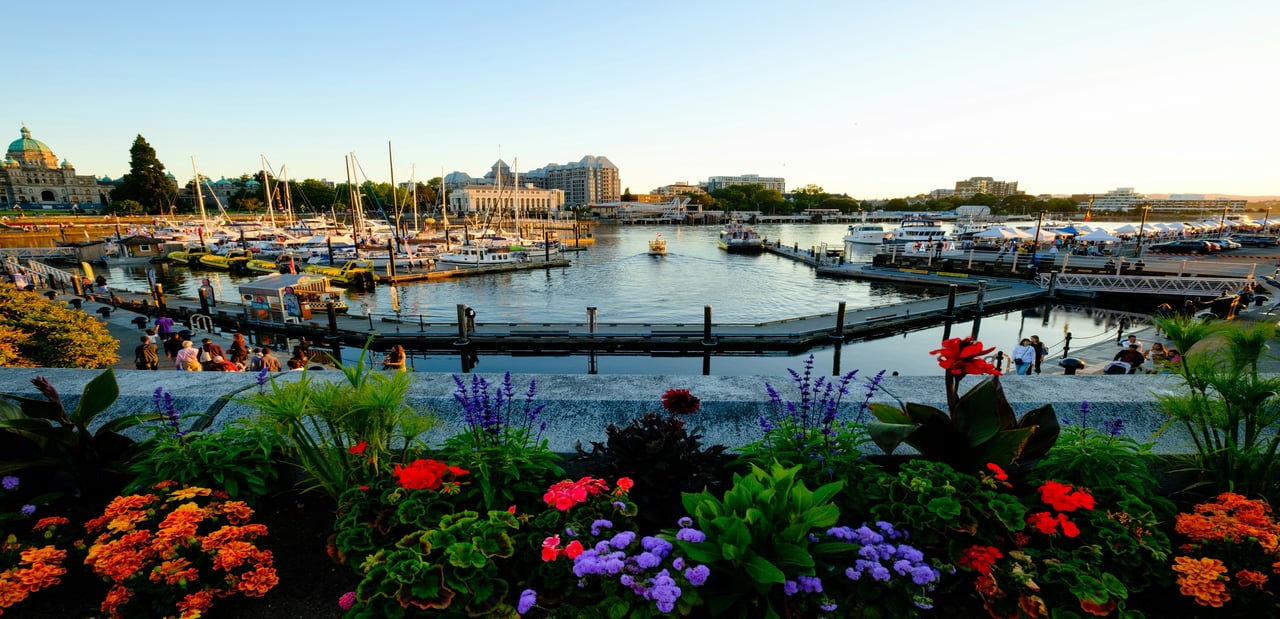
If you are a seller, it is worth understanding that your buyer pool may look slightly different than it did a few years ago, particularly at higher price points or in neighbourhoods that historically attracted international interest, such as parts of Oak Bay, the Inner Harbour area, or certain luxury waterfront communities. This makes thoughtful pricing and strong marketing more important than ever.
If you are a non-Canadian exploring your options, the best step you can take right now is to get proper legal and real estate advice specific to your situation. The exemptions are meaningful, and there may be a path forward for you depending on your residency status and intentions.
Will the Ban End — And What Happens Next?
This is perhaps the most pressing question on everyone's mind right now. As it stands, the Foreign Buyer Ban is scheduled to expire on January 1, 2027, but whether that deadline holds is far from certain.
The ban was already extended once — originally set to expire at the end of 2024, the federal government pushed it forward two more years. At the time, the rationale was that Canada's housing affordability crisis had not sufficiently improved, and policymakers wanted to keep the restriction in place while other housing supply measures were ramped up.
Looking ahead to 2027, the future of the ban will depend heavily on a few key factors. First, the political landscape: with a federal election having taken place in 2025, any change in government priorities could accelerate a review of the legislation. Some voices across the political spectrum have argued that the ban, while well-intentioned, has had limited measurable impact on affordability and that its continuation needs to be carefully weighed against Canada's broader economic interests, including its relationship with international investors and newcomers.
Second, housing supply and affordability data will play a big role. If Canada has made meaningful progress in adding new housing inventory and stabilizing home prices for local buyers by 2026-2027, there may be less political appetite to renew the ban again. On the other hand, if affordability remains stretched in cities like Victoria and Vancouver, another extension is entirely plausible.
It's also worth noting that even if the ban is lifted at the federal level, provincial and municipal governments retain tools of their own — including speculation and vacancy taxes — that will continue to shape how and where foreign capital flows into Canadian real estate.
My best advice? Don't make long-term real estate decisions based on the assumption that the ban will or won't be lifted on any particular timeline. The Victoria market has its own strong fundamentals, and the right time to buy or sell is ultimately driven by your personal circumstances, not by policy speculation.
Looking Ahead
Victoria's real estate market will continue to be shaped primarily by local factors — supply, demand, interest rates, and the simple reality that this is one of the most beautiful and livable cities in the country. Policy changes at the federal level are worth watching, but they are rarely the whole story.
The key, as always, is staying informed and working with professionals who know this market inside and out. If you have questions about how current legislation affects your buying or selling plans in Victoria, I'd love to connect. Every situation is unique, and I'm here to help you navigate yours.
Ainsley Gower is a Victoria, BC-based real estate agent passionate about helping clients find their place on the Island. Reach out at [email protected] or (250) 882-6481.